Sunday, 21 July 2013

Desert Island Discs: The Reality Version

Όλοι ξέρουν το παιχνίδι: Αν ναυαγούσες σε ένα έρημο νησί και μπορούσες να έχεις μαζί σου έναν περιορισμένο, μικρό αριθμό από albums (κι ένα CD player ή iPod, και ηχεία ή ακουστικά, και μια γεννήτρια ή μια παλέτα μπαταρίες, κι έναν μάστορα service για παν ενδεχόμενο), ποια θα επέλεγες; Αν θα έπρεπε να περάσεις την υπόλοιπη ζωή σου με μόλις 300 ή 1000 λεπτά μουσικής, τι θα κουβαλούσες και τι θα άφηνες πίσω; Στοιχηματίζω πως δεν υπάρχει μουσικόφιλος που να μην έχει παίξει "Desert Island Discs", με φίλους ή και μόνος.

Ε λοιπόν παιδιά, it's not a game anymore. Eπαγγελματικοί λόγοι με αναγκάζουν να ξενιτευτώ τον άλλο μήνα για άγνωστο χρονικό διάστημα, αφήνοντας πίσω οικογένεια, φίλους και δισκοθήκη. Εκεί που πάω δεν είναι νησί, είναι όμως σίγουρα έρημος κι εγώ βρίσκομαι στη θέση να πρέπει να επιλέξω κάποια λιγοστά albums που θα πάρω μαζί μου, αφήνοντας πίσω τα υπόλοιπα. Στ' αλήθεια. Και, πιστέψτε με, όταν διαλέγεις "Desert Island Discs" στ' αλήθεια είναι πολύ πιο δύσκολο, γιατί δεν μπορείς την επόμενη μέρα να αλλάξεις γνώμη.

Οι εμμονές είναι εμμονές και αν αυτό το blog έχει λόγο ύπαρξης αυτός είναι οι εμμονές μου, οπότε κατά καιρούς έχω ήδη αναφέρει, εκθειάσει, αγιοποιήσει κάποια από τα albums που τώρα επιλέγω να πάρω μαζί μου: Σίγουρα The Hold Steady, τουλάχιστον δύο άλμπουμ, το "Gypsy Punks" των Gogol Bordello, 70's David Bowie οπωσδήποτε, το "Martinis & Bikinis" της Sam Philips, ένα mixtape-αυτοσχέδιο "best of" με τα αγαπημένα μου τραγούδια των Angels για το αυτοκίνητο, Slayer για όταν έχω νεύρα, το "Glass Houses", πιθανότατα Ice-T, Terrell αν καταφέρω να μετατρέψω το βινύλιο σε ψηφιακή μορφή ή να βρω κάπου για download το εξαφανισμένο "On The Wings Of Dirty Angels" (help! anyone?), το "Don't Give Up on Me" του Solomon Burke για όταν πίνω μόνος...

Θα πάρω μαζί μου και κάποια στανταράκια για τα οποία δεν θα επεκταθώ τώρα, αφού δικαιούνται μελλοντικά ξεχωριστό blog post το καθένα: Το "Powerage" των AC/DC ας πούμε που είναι το καλύτερο άλμπουμ όλων των εποχών, το "Rain Dogs" του Tom Waits που είναι το καλύτερο άλμπουμ όλων των εποχών, το "Led Zeppelin III" που είναι το καλύτερο άλμπουμ όλων των εποχών, το "Toxicity" των System Of A Down που είναι το καλύτερο άλμπουμ όλων των εποχών. Το "10 Χρόνια Κομμάτια" του Σαββόπουλου γιατί θυμάμαι ότι ήταν αποκούμπι την πρώτη φορά που ξενιτεύτηκα, 9 χρονών, το άκουγα τότε κυριολεκτικά κάθε μέρα επί ένα χρόνο. Μάλλον δεν θα πάρω Queen, δε νιώθω την ανάγκη. Ίσως έχω ξεπεράσει τους Queen (καιρός ήταν, τους ακούω 33 χρόνια), το πιθανότερο όμως είναι επειδή έχω ακούσει τόσο πολύ Queen που ξέρω όλα τα τραγούδια απ' έξω και μπορώ να ανακαλέσω οποιοδήποτε τραγούδι τους ανά πάσα στιγμή από το jukebox του εγκεφάλου μου, είναι πλέον μέρος του DNA μου και τα άλμπουμ είναι περιττά. 

Το θέμα πάντως είναι το εξής, όπως συνειδητοποιώ τώρα που κάνω τη λίστα στα αλήθεια: Δεν παίρνεις μαζί σου στο ερημονήσι τα "καλύτερα", ούτε μόνο στανταράκια. Δεν ξέρω αν θα πάρω το "Sgt. Pepper's" ή το "Exile On Main Street" και σίγουρα δεν θα πάρω το "Astral Weeks" ή το "Never Mind The Bollocks". Παίρνεις και τα αουτσάϊντερ, αυτά που αποτελούν το soundtrack της ζωής σου, που σου θυμίζουν πρόσωπα, στιγμές, τον εαυτό σου σε καλύτερες (ή χειρότερες) φάσεις, και τα πέντε αουτσάϊντερ άλμπουμ που ακολουθούν σίγουρα ανήκουν σε αυτά που θα έπαιρνα μαζί μου στο ερημονήσι. Το ξέρω γιατί μπαίνουν από τώρα στη βαλίτσα:


Captain Beyond - Captain Beyond

Το 1972 o όρος "heavy metal" υπήρχε μεν, αλλά χρησιμοποιούνταν για να περιγράψει ο,τιδήποτε σκληρότερο των Santana, από τους Black Sabbath μέχρι τους Stooges. Δεν ξέρω αν είχε χρησιμοποιήσει ποτέ κανείς τον όρο για να περιγράψει τους Captain Beyond, εγώ πάντως δεν θα μπορούσα να τους χαρακτηρίσω ως οτιδήποτε άλλο παρά ως heavy metal: To άλμπουμ αυτό περιέχει περισσότερα γαμηστερά πεντατονικά riffs απ' όσα ολόκληρο το 1994 (τότε το ανακάλυψες), τα τραγούδια μπαίνουν το ένα μέσα στο άλλο, η θεϊκή φωνή του Rod Evans απογειώνει τους σύνθετους ρυθμούς και το εκρηκτικό παίξιμο της υπόλοιπης μπάντας σκοτώνει. Στην ίδια κατηγορία με τις κορυφαίες στιγμές των Zeppelin, των Sabbath και των Purple. Θα μπορούσα να το ακούω μια φορά την εβδομάδα, κάθε βδομάδα, για την υπόλοιπη ζωή μου.


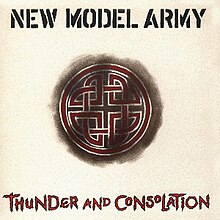
New Model Army - Thunder And Consolation

Είσαι 21 χρονών, ήδη βετεράνος μεταλλάς, αρχίζεις να ψάχνεσαι με άλλες μουσικές από το νησί αλλά δεν γουστάρεις Cure και Smiths και τέτοιες παπαριές, τη θέλεις την τσίτα σου, την ένταση, το πάθος, τα σλόγκαν, τη ροκιά ρε παιδί μου, πώς το λένε. Και τότε ανακαλύπτεις τους New Model Army, έχουν και μαλλιά, και ακούς πώς τα χώνουν, και δίνεις βάση στους στίχους, και ανακαλύπτεις και τις πιο λυρικές "κελτικές" στιγμές τους, τους βλέπεις και live στην Αθήνα και γαμάνε και ο ντράμερ (μα τι ντράμερ!) σου δίνει τη μπαγκέτα του για ενθύμιο. Τα τρία άλμπουμ που έβγαλαν την περίοδο 1986-1990 είναι όλα αριστουργήματα. Θα πάρω μαζί μου και τα τρία, αν έπρεπε όμως να διαλέξω μόνο ένα, μάλλον θα ήταν αυτό.
 
 
Λένα Πλάτωνος - Σαμποτάζ

Όταν είσαι 14 κι έχεις φάει κόλλημα με τη μουσική, η δίψα σου να ανακαλύψεις όσο περισσότερα μπορείς όσο πιο γρήγορα γίνεται είναι ακόρεστη. Ψάχνεις παντού, διαβάζεις περιοδικά, ακούς ραδιόφωνο, και πάλι δε χορταίνεις οπότε αρχίζεις να ξύνεις τον πάτο του βαρελιού: Τη δισκοθήκη των γονιών σου. Κι εκεί, ανάμεσα στον Ξαρχάκο και το Μούτση, ανακαλύπτεις το "Σαμποτάζ" και σου φεύγει το κλαπέτο. Φρικάρεις με τη ΦΩΝΑΡΑ του Παλαμίδα στο "Ραντεβού Στην Όαση", ανατριχιάζεις με "Το Κοπερτί", οι "Χίλιες Και Μια Νύχτες Σινεμά" είναι ό,τι πιο avant garde έχεις ακούσει μέχρι εκείνη τη στιγμή της σύντομης ζωής σου, το ομότιτλο τραγούδι σου προκαλεί εφιάλτες. Ίσως ό,τι καλύτερο έχει βγάλει η Ελληνική δισκογραφία μετά την ακμή του Νιόνιου.


Maximo Park - A Certain Trigger

Αν είχα διαβάσει στο μουσικό Τύπο τις πανταχού παρούσες συγκρίσεις των Maximo Park με τους Smiths, είναι απολύτως βέβαιο ότι δεν θα είχα μπει καν στον κόπο να ακούσω το ντεμπούτο άλμπουμ τους. Μαλάκες μουσικογραφιάδες. Ευτυχώς όμως δεν είχα διαβάσει ούτε λέξη γι' αυτούς όταν μπήκα σ' ένα HMV στο Λονδίνο το 2005, κατά τη διάρκεια του τελευταίου μου επικού shopping spree σε παραδοσιακό δισκάδικο του εξωτερικού (από τότε, μόνο online shopping), κι ένας υπάλληλος του μαγαζιού είχε βάλει να παίζει αυτή η δισκάρα που μόλις είχε κυκλοφορήσει εκείνη την ημέρα. Τσίμπησα αμέσως γιατί μου θύμισαν όχι Smiths, αλλά παλιούς Roxy Music. Ωραία και τα hits τους, ακούστε όμως τη φανταστική τριάδα των tracks 9-11 (επί συνόλου 14, δηλαδή εκεί που παραδοσιακά μπαίνουν τα fillers) και θα αντιληφθείτε ότι εδώ έχουμε κάτι που ξεχωρίζει από τη britpop πλέμπα. Στη βαλίτσα, τώρα.


NoMeansNo - 0+2=1

Album of the month στο Αγγλικό Metal Hammer, τέλη 1991. Αλλά με 4/5, όχι 5/5 όπως σχεδόν όλα τα "Album of the month" τότε. Είπαμε, να κάνουμε την υπέρβαση, αλλά μην το χέσουμε κιόλας. Διαβάζοντας την κριτική του James Sherry περιμένεις 6/5, αλλά μάλλον έπεσε παντόφλα από τον τότε αρχισυντάκτη (Chris Welch;). Όπως και να 'χει, τσίμπησα. Πήρα το βινύλιο. Το έβαλα να παίζει. Το "Side A" έκανε μήνες να βγει από το πικάπ, το άκουγα συνέχεια, κάθε μέρα, όλη μέρα. Νομίζω είναι η καλύτερη Α' πλευρά δίσκου που έχω ακούσει στη ζωή μου. Κάποια στιγμή γύρω στα μέσα του '92 άκουσα και τη δεύτερη πλευρά, δεν είναι κακή.


Thursday, 11 July 2013

Stuff Tom Waits Likes

I love Tom Waits more than I love pizza. And I seriously believe the man has an impeccable taste in music: His all-time favorite albums list includes standards like the Rolling Stones' "Exile On Main Street", Leonard Cohen's "I'm Your Man" and Bob Dylan's "Basement Tapes". You can't go wrong with that, or with Zappa, James Brown and Bill Hicks.

Waits is also a big fan of Sam Phillips' "Martinis & Bikinis", an album I myself passionately love so much I'm prepared to kill any idiot who doesn't get it just to remove him from the gene pool, but it's the weirder shit Waits likes that excites me the most. So, here is my tribute to the music Tom Waits loves, I love, and you might love too if your taste runs off the beaten track.


Gavin Bryars - "Jesus' Blood Never Failed Me Yet"

"I heard it on my wife’s birthday at about three o’clock in the morning coming out of the radio. And I didn’t know what it was and it went on and on and on. So it’s one of those . . . it almost sounds like a kid’s song." -Tom Waits

"In 1971, when I lived in London, I was working with a friend, Alan Power, on a film about people living rough in the area around Elephant and Castle and Waterloo Station. In the course of being filmed, some people broke into drunken song - sometimes bits of opera, sometimes sentimental ballads - and one, who in fact did not drink, sang a religious song "Jesus' Blood Never Failed Me Yet". This was not ultimately used in the film and I was given all the unused sections of tape, including this one. When I played it at home, I found that his singing was in tune with my piano, and I improvised a simple accompaniment. I noticed, too, that the first section of the song - 13 bars in length - formed an effective loop which repeated in a slightly unpredictable way. I took the tape loop to Leicester, where I was working in the Fine Art Department, and copied the loop onto a continuous reel of tape, thinking about perhaps adding an orchestrated accompaniment to this. The door of the recording room opened on to one of the large painting studios and I left the tape copying, with the door open, while I went to have a cup of coffee. When I came back I found the normally lively room unnaturally subdued. People were moving about much more slowly than usual and a few were sitting alone, quietly weeping. I was puzzled until I realised that the tape was still playing and that they had been overcome by the old man's singing. This convinced me of the emotional power of the music and of the possibilities offered by adding a simple, though gradually evolving, orchestral accompaniment that respected the tramp's nobility and simple faith. Although he died before he could hear what I had done with his singing, the piece remains as an eloquent, but understated testimony to his spirit and optimism." -Gavin Bryars

Bryars' original piece for vinyl release was 25 minutes long. He later re-wrote a 60-minute version for cassette and finally, in 1993, a 74-minute version for CD, inviting Tom Waits himself to sing a "duet" with the looped recording of the homeless man. A minimalist masterpiece, and I'm not going to ruin it by posting a sample here - you have to hear this thing in its entirety to feel its power.


Wingless Angels - Wingless Angels

"One of my favorite things that (Keith Richards) did is "Wingless Angels". That completely slayed me. Because the first thing you hear is the crickets, and you realize you’re outside. And his contribution to capturing the sounds on that record just feels a lot like Keith." -Tom Waits

Back in the mid-90's Keith Richards bought a house in Jamaica. He befriended some local rastafarian musicians (most likely while trying to score pot) and one evening he decided to record them playing live in his living room and on his porch. The result is pure magic.


Chuck E. Weiss - Extremely Cool

"Chuck E. Weiss is a mensch, a liar, a monkey, and a pathological Vaudevillian. He is a distant relative of Houdini's; he's a praying mantis riding an egret through a bad neighborhood. He's a reverend waving a pistol around. Basically, he's in the salvage business and you should do everything he tells you."  -Tom Waits

I've also mentioned Chuck E. Weiss in a previous blog post. Chuck would never have gotten off his ass to record his first official album if it wasn't for the encouragement, production, and guest starring of his pal Tom.


Harry Partch - Collection Vol. 1

"Partch was an American hobo and the instruments he made were all built from things that he essentially found on the side of the road, not literally but figuratively. He dismantled and rebuilt his own version of the whole concept of music and its purpose... He’d worked as a migrant worker and had been on the road for half his life, and he was one of those rogue academics who worked outside the matrix. So they feared him and pretended to admire him. Like most innovators, he becomes gravel on the road that most people drive on. So he was the first one through the door and the crowd tramples him. But nobody has done anything like that since. The idea of designing your own instruments, playing them and then designing your own scale, your own system of music. That's dramatic and particularly for the time that he was doing it. It was rather subversive. It’s always fascinating to hear something being played that doesn't sound polished or evolved as an instrument. It still sounds a little bit like you’re hitting tractor parts or a dumpster door. Or you’re still in the kitchen, to an extent. The music has that extra texture to it. And then of course he’s very sophisticated and well versed in mythology so it’s got that other side to it." -Tom Waits

So, if you've always wondered what the fuck happened to Waits after "Heartattack And Vine" that led to "Swordfishtrombones", the answer is, Harry Partch happened. Waits discovered the works of this American composer, a mad genius who not only built his own instruments but also created his own 43-tone music scale, and he never came back.


Shooby Taylor - The Human Horn

"The best thing I've heard all year" -Tom Waits

I saved the best for last. Shooby had remained a mystery for decades, with his only bootleg demo cassette (recorded under mysterious circumstances) circulating among connoisseurs like Waits until the Internet revealed him to the rest of the world. An idiosyncratic scat singer (and postal worker), totally uninhibited and probably a bit demented, he remains to this day a shining example that, in art, passion beats mastery every time. Check out this site for more, after this sample blows your mind:


Sunday, 7 July 2013

Gypsy Punks: Underdog World Strike

Όταν ο γιος μου ήταν 4 χρονών, το αγαπημένο του συγκρότημα ήταν οι Gogol Bordello. Δεν είχε διστάσει μάλιστα να το ανακοινώσει στη Διευθύντρια του χάϊ ιδιωτικού σχολείου με την οποία είχαμε ραντεβού για να αποφασίσουμε αν θα τον εγγράψουμε στο νηπιαγωγείο εκεί: "Καλημέρα κύριε και κυρία Κ.", μας είχε υποδεχθεί η ευγενέστατη εκπαιδευτικός. "Κι εσένα νεαρέ, πώς σε λένε;".

"Με λένε Νικόλα και μου αρέσουν οι Γκόγκολ Μπορντέλο", ήταν η απάντηση του τετράχρονου. Τον γράψαμε σε άλλο σχολείο.

Έχω μια εξομολόγηση να κάνω. Παρά το ότι, υποτίθεται, έχω "αυτί" για νέες μπάντες, όταν πρωτάκουσα Gogol Bordello το 1999 δε μου είχαν κάνει την παραμικρή εντύπωση. Η πρώτη εκτέλεση του τραγουδιού τους "Start Wearing Purple", από το ντεμπούτο τους, συμπεριλαμβανόταν σε CD-συλλογή του Αμερικανικού περιοδικού CMJ New Music Monthly, του οποίου τότε ήμουν συνδρομητής, αλλά πέρασε και δεν ακούμπησε. Έπρεπε να περάσουν 3 χρόνια για να φτάσουμε στην κυκλοφορία του δεύτερου album τους, "Multi Kontra Culti Vs. Irony", για να αντιληφθώ ότι εδώ έχουμε θέμα, κάτι εντελώς καινούργιο, ένα αυθεντικό πάντρεμα τσιγγάνικης παράδοσης και punk νοοτροπίας, και να αρχίσω την προπαγάνδα. "Βάλε αυτό", είπα στον Κ. αντί για καλησπέρα δίνοντάς του το "Multi Kontra..." όταν μπήκα στο αμάξι του ένα βράδυ του 2002 για να πάμε να δούμε την παράσταση των Τiger Lillies. "Αφού σου αρέσει το τσίρκο, θα ξετρελλαθείς μ' αυτούς". Ο Κ. απρόθυμα παραδέχθηκε ότι είναι καλοί, δεν είχε ξετρελλαθεί όμως, σε αντίθεση με τη φίλη του που είχε ενθουσιαστεί. Το είχαν αυτό οι Gogol από μικροί, άρεσαν στα κορίτσια.

Άλλα τρία χρόνια αργότερα όμως, ακόμα και ο Κ. δήλωνε πλέον οπαδός των Gogol Bordello. Χάρη στο "Gypsy Punks", το album τους του 2005 το οποίο έφερε την Ανατολικοευρωπαϊκή gypsy punk επανάσταση στην Υφήλιο, μεταμόρφωσε τον Eugene Hutz με τη τσιγκελωτή μουστάκα του στον πιο απροσδόκητο pop star όλων των εποχών και άρεσε σε όλους. ΟΛΟΥΣ, όμως: Για ένα φεγγάρι άκουγες Gogol Bordello παντού, στο ραδιόφωνο των playlists, στα σπιτικά πάρτι, στα μπαρ στο Γκάζι, σε ροκάδικα, σε χιπστεράδικα, σε καφετέριες, παντού λέμε.

Αν θέλουμε να είμαστε ειλικρινείς, πρέπει να παραδεχθούμε πως ολόκληρη η μετέπειτα καριέρα των Gogol Bordello χτίστηκε πάνω στο "Gypsy Punks". Παρόλο που από τότε έβγαλαν άλλα 3 albums στα Αγγλικά κι ένα στα Ρωσικά, ακόμα και σήμερα το συναυλιακό τους set έχει για ραχοκοκκαλιά τα τραγούδια αυτού του δίσκου. Και δικαίως. Ακολουθούν 10 ακλόνητα επιχειρήματα που αποδεικνύουν ότι το "Gypsy Punks" είναι το καλύτερο album όλων των εποχών:

1. "Ι Would Never Want To Be Young Again": Τραγούδι που πάντα με κάνει να θέλω να σπάσω κάτι. Ή να δείρω κάποιον.

2. Στο "60 Revolutions" έχουν μια γέφυρα όπου δανείζονται το riff του "Angel Of Death" των Slayer. Άρα έχουν εξαιρετικό γούστο.

3. Το "Dogs Were Barking" είναι σαν καλή ταινία του Κουστουρίτσα, αλλά με ακόμα πιο πολλή πλάκα.

4. Προσέξτε του στίχους στο "Oh No". Με τα σπαστά, άνευ άρθρων Αγγλικά του Ουκρανού Hutz, και με το background του ως μετανάστης πάνκης στις φτωχογειτονειές μιας μεγαλούπολης του Δυτικού κόσμου, κι ενώ διανύουμε τη χειρότερη οικονομική κρίση μετά το 2ο Παγκόσμιο Πόλεμο, το τραγούδι αποκτά ιδιαίτερο νόημα:

Sometimes when facing common trouble
When whole town is screwed
We become actually human
Act like Prometheus would
Suddenly there is more humor
And a party tabor style
People ringing one another
"Yo man, how was your blackout?"
Suddenly there is more music
Made with buckets in the park
Girls are dancing with the flashlights
I got only one guitar
And you see brothers and sisters
All engaged in sport of help
Making merry out of nothing
Like in refugee camp

Oh yeah, oh no, it doesn't have to be so

It is possible anytime, anywhere
Even without any dough
Oh yeah, oh no, it doesn't have to be so
Forces of the creative mind are unstoppable!


5. Η επανεκτέλεση του "Start Wearing Purple" εδώ είναι καλύτερη από την πρώτη εκτέλεση, πράγμα σπανιότατο.

6. "Think Locally, Fuck Globally": Η καλύτερη συμβουλή που θα μπορούσε να δώσει κάποιος.

7. Η εισαγωγή του "Underdog World Strike" είναι ό,τι πιο επικό έχει ηχογραφηθεί ποτέ από την εποχή των Εmerson Lake & Palmer.

8. "Illumination": Απλώς αριστούργημα.

9. Η παραγωγή του Steve Albini είναι η καλύτερη, πιο ισορροπημένη που είχαν ποτέ οι Gogol Bordello, δεν χαντακώνει το punk στοιχείο του χαρακτήρα τους προκειμένου να αναδειχθεί ο multi-culti χαβαλές.

10. Η επιτυχία αυτού του album άνοιξε το δρόμο για δεκάδες άλλα φανταστικά συγκροτήματα, από τους Kultur Shock μέχρι τους Golem, ώστε να ακουστούν από ένα ευρύτερο κοινό.

Το νέο album των Gogol Bordello, "Pura Vida Conspiracy", κυκλοφορεί αυτές τις μέρες. Κι ενώ κατά βάθος ξέρω ότι ποτέ δεν θα καταφέρουν να ξεπεράσουν το "Gypsy Punks", εννοείται πως θα συνεχίσω να αγοράζω τους δίσκους τους. Το χρωστάω στον Eugene, το ίδιο και ο πάλαι ποτέ τετράχρονος.


Sunday, 2 June 2013

Ο Δεκάλογος Του Σωστού DJ

Δε βγαίνω συχνά έξω πλέον, για πολλούς και διάφορους λόγους. Οικογενειακές και επαγγελματικές υποχρεώσεις, οικονομική κρίση, το γεγονός ότι από το 1987 μέχρι το 1999 είχα πιει αρκετά ώστε να παραμείνω μεθυσμένος μέχρι το 2035, αλλαγή προσωπικών γούστων (εδώ και πολύ καιρό έχω αποφασίσει ότι ένα καλό βιβλίο είναι προτιμότερο από μια γερή κραιπάλη)... Τώρα που το σκέφτομαι όμως, ο βασικότερος ίσως λόγος που δεν βγαίνω πια είναι ότι ΕΧΩ ΒΑΡΕΘΕΙ ΟΛΟΥΣ ΤΟΥΣ ΑΧΡΗΣΤΟΥΣ, ΗΛΙΘΙΟΥΣ, ΝΑΡΚΙΣΣΟΥΣ, HIPSTER ΕΞΥΠΝΑΚΗΔΕΣ DJs.

Ναι, αυτούς που για το glamorous νυχτοκάματο των 60 ευρώ στην τρύπα με τις μπόμπες στην πλατεία Καρύτση το παίζουν ινστρούχτορες που έχουν βάλει σκοπό της ζωής τους να διαφωτίσουν εμάς, τους άσχετους, για τις τελευταίες μουσικές τάσεις που μόλις χθες ανακάλυψε το pitchfork. Και τους άλλους, που παίζουν στα πιο mainstream μαγαζιά ΑΚΡΙΒΩΣ ΤΑ ΙΔΙΑ ΠΡΑΓΜΑΤΑ ΠΟΥ ΕΠΑΙΖΑΝ ΚΑΙ ΠΡΙΝ ΑΠΟ 20 ΧΡΟΝΙΑ. Και μην ξεχνάμε τους ροκάδες που όταν παίξουν Monster Magnet θα βάλουν το "Space Lord" (μόνο) και όταν παίξουν Danzig θα βάλουν το "Mother" (μόνο). Παιδιά, ξέρετε γιατί σας δίνουν αστεία μεροκάματα; ΕΠΕΙΔΗ ΔΕΝ ΑΞΙΖΕΤΕ ΠΕΡΙΣΣΟΤΕΡΟ ΑΠΟ 5 ΚΑΣΕΤΕΣ, ΑΦΟΥ ΚΑΝΕΤΕ ΑΚΡΙΒΩΣ ΤΗΝ ΙΔΙΑ ΔΟΥΛΕΙΑ ΜΕ 5 ΚΑΣΕΤΕΣ.

Τι είναι αυτό λοιπόν που κάνει τον καλό DJ να ξεχωρίζει, ανεξαρτήτως μουσικού ιδιώματος στο οποίο κινείται ή τον τύπο μαγαζιού στο οποίο παίζει; Ας προσπαθήσουμε να κωδικοποιήσουμε ένα βασικό "οδηγό του σωστού DJ":
  1. Δεν είσαι ο Tiesto ή ο John Digweed. Δεν έρχονται οι μάζες στο μαγαζί για να προσκυνήσουν το θεόσταλτο ταλέντο σου. Είσαι απλώς ένα ακόμα εργαλείο για να πουλήσει το μαγαζί περισσότερα ποτά, κάνε λοιπόν τη δουλειά σου και βάλε μουσική που πουλάει ποτά.
  2. Ο πελάτης δεν βγαίνει έξω για να αναβαθμίσει τις μουσικές του γνώσεις. Βγαίνει έξω για να ξεσκάσει, να χορέψει, να μεθύσει, να πηδήξει ή all of the above. Οι ήχοι που επιλέγεις λοιπόν πρέπει να είναι βοηθητικοί των παραπάνω δραστηριοτήτων και οικείοι.
  3. Πρόσεξε όμως: "Οικείοι" είπαμε, όχι "τετριμμένοι". Με άλλα λόγια, αν παίζεις σε παλαιοροκάδικο μπορείς να βάλεις Deep Purple, αλλά: ΟΧΙ "Smoke On The Water" / "Highway Star" / "Perfect Strangers", NAI "Demon's Eye" / "Woman From Tokyo" / "Knocking At Your Backdoor". Αν παίζεις mainstream μπορείς να βάλεις U2, αλλά: ΟΧΙ "Sunday Bloody Sunday" / "Pride (In The Name Of Love)" / "New Year's Day", ΝΑΙ "I Will Follow" / "Where The Streets Have No Name" / "Desire". Ελπίζω να έγινα σαφής.
  4. Ο σωστός DJ πρέπει να πιάνει τα vibes, τη διάθεση του κόσμου. Αν δεις ότι ο κόσμος "τσίμπησε", ξεσηκώθηκε και χορεύει με κάτι που έβαλες, συνέχισε στο ίδιο ύφος.
  5. Να εκπλήσσεις ευχάριστα. Αν π.χ. στο μαγαζί έχουν μαζευτεί σαραντάρηδες και βλέπεις ότι το κλίμα σηκώνει 80's nostalgia, αντί για (τα τετριμμένα που λέγαμε παραπάνω) "Should I Stay Or Should I Go" από Clash, "Don't You Forget About Me" από Simple Minds, "I Love Rock 'N' Roll" από Joan Jett κλπ., δοκίμασε ας πούμε "Get Τhat Beat" από Sharp Ties, "White Wedding" από Billy Idol και ίσως κάποιο novelty τύπου "Da Da Da". Πίστεψέ με, περισσότερο θα γουστάρει και ο κόσμος κι εσύ.
  6. Ποτέ μην παίζεις Gypsy Kings. Ποτέ όμως. Επ' ουδενί.
  7. Μην το παρακάνεις με το ποτό και τα σφηνάκια. Ο μεθυσμένος DJ κάνει λάθη.
  8. Μην είσαι αγενής προς τους πελάτες που κάνουν παραγγελιές. Αλλά μην παίζεις παραγγελιές, ειδικά αν είναι ηλίθιες.
  9. Όταν κάποιος πελάτης έχει γενέθλια, υπάρχουν και άλλα τραγούδια εκτός από το "Happy Birthday" του Stevie Wonder για να σβήσει κεράκια. Αλήθεια, πίστεψέ με.
  10. Μην παραβαίνεις ποτέ τους παραπάνω κανόνες. Ειδικά το #6.

Thursday, 23 May 2013

Top-5 "Εμπορικές" Μπάντες Που Δεν Πούλησαν Ποτέ, Τίποτα

Στο αχανές σύμπαν του ροκ ο καθένας μας έχει τα δικά του απωθημένα, μπάντες που θεωρεί αδικημένες γιατί ποτέ δεν γνώρισαν την εμπορική απήχηση που ο ίδιος (συχνά, μόνο αυτός) θεωρεί ότι τους άξιζε. Δεν θα μιλήσω όμως για αυτό: Το ότι εγώ π.χ. θεωρώ ότι ο κόσμος μας θα ήταν πολύ καλύτερος αν εκατομμύρια άνθρωποι άκουγαν Valient Thorr αντί για Justin Bieber δεν σημαίνει ότι, ρεαλιστικά μιλώντας, πιστεύω ότι οι Valient Thorr είναι ένα συγκρότημα που θα μπορούσε ποτέ να απασχολήσει περισσότερους από μερικές χιλιάδες βλαμμένους παγκοσμίως. Ούτε μιλάω για "bandwagon jumpers", μπάντες δηλαδή που ξαφνικά βρίσκονται με δισκογραφικό συμβόλαιο επειδή αποτελούν (ή σχεδιάστηκαν ώστε να μοιάζουν με) μέρος μιας σκηνής που αποτελεί trend, όπως το 1992 που αρκούσε να φοράς καρώ πουκάμισο και να στείλεις στις εταιρείες demo από τον ταχυδρομικό κώδικα του Seattle για να αποκτήσεις συμβόλαιο. Ούτε μιλάω για διάττοντες αστέρες του ενός album που δεν έπιασε και πάπαλα. Ούτε μιλάω για τίποτα ηχητικούς εξτρεμιστές.

Θα μιλήσω για κάτι άλλο: Για μπάντες "εμπορικές", εντός των πλαισίων του mainstream ήχου αλλά με προσωπικότητα, ιστορία, σκληρά εργαζόμενες, τις οποίες ο οποιοσδήποτε σοβαρός A&R υπεύθυνος οποιασδήποτε πολυεθνικής δισκογραφικής εταιρείας (όσο υπήρχαν ακόμα τέτοιες) θα υπέγραφε, σίγουρος ότι θα γίνουν megastars. Κάποιοι A&R μάλιστα το έκαναν, έφαγαν τα μούτρα τους όταν κόντρα σε κάθε προσδοκία, λογική, και εμπειρία από την αγορά οι μπάντες πάτωσαν, και πιθανότατα αυτοί οι A&R έχασαν τη δουλειά τους και σήμερα τηγανίζουν πατάτες σε κάποιο McDonald's στη Βόρειο Καρολίνα, ζώντας στο γκαράζ των συνταξιούχων γονιών τους.

Πάμε λοιπόν να δούμε 5 χαρακτηριστικές τέτοιες περιπτώσεις. Γιατί δεν έγιναν superstars αυτές οι μπάντες; Δεν έχω απάντηση. Ευχαρίστως να ακούσω τη δική σας, αν έχετε εσείς.

1. King's X

Κλασική περίπτωση "musician's musicians": Όλοι οι συνάδελφοί τους, μέχρι και ο Malmsteen που δεν λέει ποτέ καλή κουβέντα για άλλον μουσικό που ζει ακόμα, τους θεωρούν ως το καλύτερο συγκρότημα του πλανήτη, αλλά παρόλο που τα τραγούδια τους συνδυάζουν ιδανικά το heavy metal με τους Beatles, o Doug Pinnick διαθέτει μια φωνή ανεπανάληπτη και ο Ty Tabor είναι ένας από τους 100 καλύτερους rock κιθαρίστες όλων των εποχών (real talk), το κοινό τους αγνοεί επιδεικτικά εδώ και 25 χρόνια. Τα δύο πρώτα τους albums, "Out Of the Silent Planet" και "Gretchen Goes To Nebraska", είναι απλώς αριστουργήματα. Όμως ακόμα κι αν δεν είχαν γράψει τίποτα άλλο εκτός από το riff του "Over My Head", εγώ θα τους αγαπούσα.


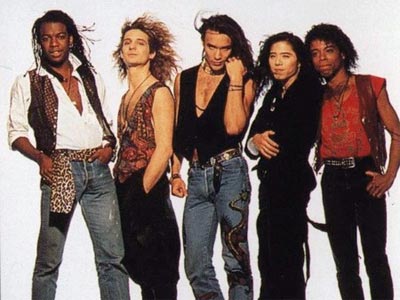
2. Dan Reed Network

Αμ τούτοι; Με συμβόλαιο σε πολυεθνική εταιρεία, με έναν ήχο ακριβώς στη μέση της διαδρομής από τους Bon Jovi στον Prince την εποχή που οι Bon Jovi και ο Prince πουλούσαν απειροεκατομμύρια δίσκους, με ομορφόπαιδο τραγουδιάρη, αγαπημένοι του Kerrang!, με ρεφρέν πιο κολλητικά και από τη βλενόρροια, και παρόλα αυτά τζίφος: 4 ωραιότατα albums που δεν αγόρασε κανείς.


3. The BellRays

Αυτοί εδώ έχασαν το τελευταίο τρένο: Ανήκουν στην τελευταία γενιά συγκροτημάτων πριν από τη λαίλαπα του downloading που άλλαξε ολοκληρωτικά το επιχειρησιακό μοντέλο της μουσικής βιομηχανίας, είδαν όμως τους συνοδοιπόρους τους να παίρνουν τους τελευταίους πλατινένιους δίσκους ενώ οι ίδιοι περιόδευαν ασταμάτητα σε μικροσκοπικά clubs, παίζοντας μπροστά σε λίγες εκατοντάδες μυημένους. Συνεχίζουν και σήμερα να παντρεύουν το πανκοειδές hard rock τους με τη soul, δυστυχώς χωρίς τον πάλαι ποτέ βασικό συνθέτη και κιθαρίστα Tony Fate με τον τοξικό ήχο και τα απίστευτα riffs που δυσκολεύεσαι να πιστέψεις ότι είναι δικά του και όχι των MC5 ή του Steve Cropper της Stax Records. Μεγάλη μπάντα, και άπιαστοι στο σανίδι.


4. Masters Of Reality

Αυτό δηλαδή πώς εξηγείται; Είσαι περιζήτητος παραγωγός, οι πάντες σε παρακαλάνε να δουλέψεις μαζί τους, οι Queens Of The Stone Age είναι οι σκύλες σου, οι δίσκοι σου είναι όλοι οχτάρια και πάνω, και όμως δεν μπορείς καλά-καλά να βρεις δισκογραφικό συμβόλαιο. Δεν πειράζει Chris, εμείς οι λίγοι εκλεκτοί θα σε παρακολουθούμε πάντα με ευλάβεια και αφοσίωση. Προσωπική αδυναμία το δεύτερο album τους "Sunrise On The Sufferbus", με κοτζάμ Ginger Baker στα τύμπανα. Α, κι ένα ενδιαφέρον trivia: H χορεύτρια στα πρώτα δευτερόλεπτα του παρακάτω βίντεοκλιπ είναι η τότε άγνωστη Jennifer Lopez!


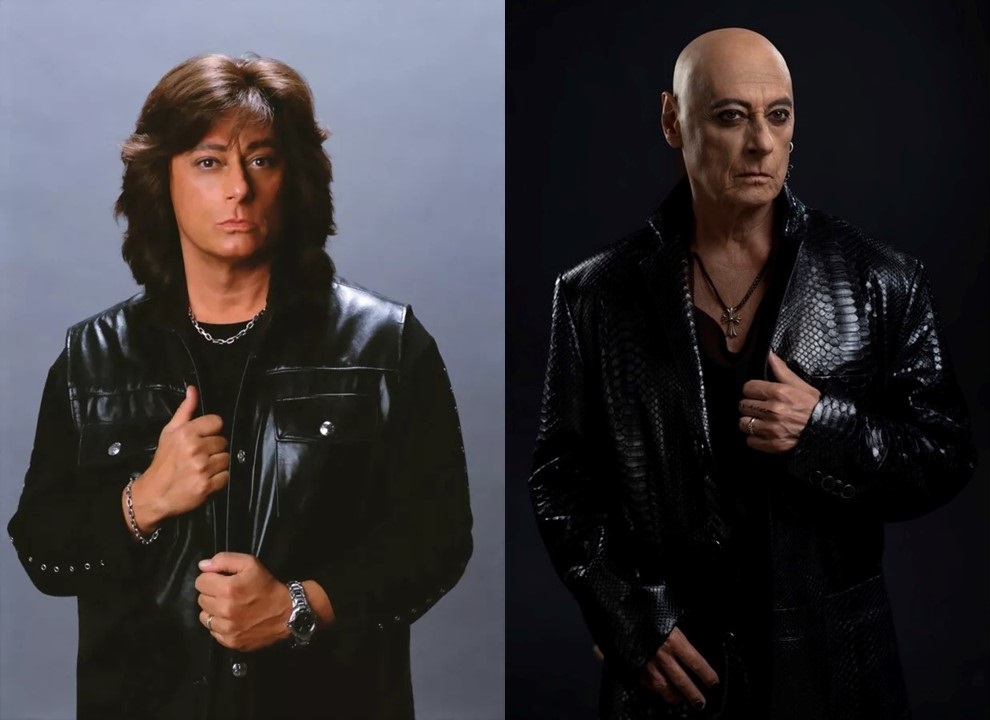
5. Οποιοδήποτε συγκρότημα στο οποίο τραγουδούσε ο Joe Lynn Turner

Αποτελεί ένα από τα μεγάλα μυστήρια του σύμπαντος: Ακόμα και σήμερα, όποιος θέλει να φλωρέψει τον ήχο του παίρνει για τραγουδιστή τον Joe Lynn Turner, παρόλο που εδώ και τριαντατόσα χρόνια όποιος παίρνει για τραγουδιστή τον Joe Lynn Turner πατώνει. Ας μην είμαστε άδικοι όμως, δεν φταίει ο καημένος ο Joe, απλώς δεν είναι ποτέ καλή ιδέα να φλωρεύεις τον ήχο σου.


Sunday, 12 May 2013

None Of Us Are Free

On the last day of recording, the Blind Boys of Alabama joined us - fresh from their victory at the Grammys the night before. The studio was in a chaos born of exhilaration and exhaustion. The Blind Boys arrived like a visiting baseball team, trailing supporters and admirers. Women from Solomon's church drifted in and out, serving chicken and sweet tea. I ran from room to room, listening as Solomon and The Blind Boys caught up, swapped stories and began honing the song they would sing together. The band listened over headphones from the next room, and (unbeknownst to the singers) started to play along. As a call-to-order and almost in jest (I didn't know who, if anybody, was listening to me), I leaned into Solomon's microphone and counted the beginning of the song, only to have the air sucked out of body, like someone opening the door of a flying airplane. The song lurched into a groove, and Solomon began to sing in a voice that was barely above a whisper. The Blind Boys fell in behind him like someone had dropped the needle on a record left ready and spinning in 1957. Afterward, I don't remember either Solomon or the Blind Boys discussing whether or not this was a "take." Everyone simply...departed, leaving the band, the engineer and me to eat what was left of the chicken, and turn off all the lights. 


Tuesday, 7 May 2013

Going Highbrow On Your Ass


Guys, may Ι have your attention please? Thank you. So. Anyone who is serious about music criticism (art criticism, film criticism etc.) should read "Air Guitar", a book of essays by Dave Hickey. I've taken the liberty of copy/pasting one of Hickey's essays from this book here, because my mind has just been blown. BUY. THIS. BOOK.


ROMANCING THE LOOKY-LOOS


It is a cloudy spring night in the mid nineteen seventies. Waylon Jennings and I are sitting in the shotgun seats at the front of his bus, slouched down with our heels up on the chrome rail, watching the oncoming highway between the toes of our boots. We are leaving Atlanta after a tumultuous concert, about two weeks into Waylon's breakout concert tour. I am along to write a piece for a magazine about Waylon's ongoing transformation into a pop star – although, at this point in the tour, Waylon himself is somewhat less than sanguine about his rising status. Not that he's doing anything to deter it. He's just not particularly enjoying it.


"They think you just get up there and sing your songs," he is saying, addressing the highway. "They think it's just a one-way deal, but it's not like that at all. Because you start out playing for people who are just like you. That's the only place you can. You play for people who come from where you come from. They seek you out in little clubs because they understand what you're doing, so you feel like you're doing it for them. And if you go wrong in these clubs, you know it immediately. And maybe you want to go wrong. That's your option, but you know it when you do it. Then one day, you're not playing for people like you anymore. You look out there, like I did tonight, and realize that you're playing for people who want to be like you, and you can't trust these people. Because to them, whatever you do, that's you, and that's cool. Which would be okay except! – even though all these people want to be like you, you don't know who you are anymore, because it was the people in those little clubs that gave you that understanding in the first place. God knows where they are tonight. Sitting at home, probably. Pissed off at me. Listening to Willie Nelson records."


"So what do you do?" I ask.


Waylon shrugs and grins. "Right now, hoss," he says, "it's completely out of my hands. I'm looking at those people out there, but I don't know what I'm seeing. And they're watching me, too. But they don't know what they're looking at. My best guess is that they'll keep on loving me till they start hating me, or their Waylon duds wear out. Because they already hate me a little, just because I'm me and they're them. That's why they always go on about how talented you are. Because they hate you. Because if they had this talent, they would be you. The fact that you've worked like a dog, lived like a horse thief, and broke your mama's heart to do whatever you do, that don't mean diddly-squat. To them, it's talent. Supposedly, you got it, and, supposedly, they don't. So eventually you're bound to disappoint them.


"My real people, they get jealous because their girlfriend thinks I'm cute and try to kick my butt. They get envious because singing pays better than roofing and try to kick my butt. But, basically, they understand that I do this job for them – that I'm up on stage with my Telecaster, sweatin' in the lights, coughing in the smoke, and trying to hear the monitor – that they're sitting out there all cool and comfortable with a bottle of beer and a bowl of peanuts. So when this all blows up, I'll just go back and do that, find out if I'm still me."


*


A month or so later, I find myself standing at the bar in CBGB'S on the Bowery with Lester Bangs and David Johansen. We're listening to Tuff Darts, who are playing their official "teen anthem":


What this world needs is a lot more girls!
What this world needs is a lot less boys!
What this world needs is a lot more NOISE!
(Noise ensues.)


When the noise subsides, Johansen tilts his head and nods theatrically toward the door. Lester and I turn to watch as a limousine load of uptown trendies file slowly into the back of the club, settling their coats on their shoulders and waving smoke away from their nostrils with frantic little gestures.


"Who dat?" Lester says.


"The beginning of the end," says David Jo, "Spectators."


*


My dad called them "looky-loos." He would come home from playing in some bar or listening to someone else play, and Mom would ask, "How was the crowd?" If those in attendance were not up to his standards, he would say "looky-loos." Or sometimes he would just mutter "civilians," which meant the same thing. We all knew what he meant: Civilians were nonparticipants, people who did not live the life – people with no real passion for what was going on. They were just looking. They paid their dollar at the door, but they contributed nothing to the occasion – afforded no confirmation or denial that you could work with or around or against.


With spectators, as Waylon put it, it's a one-way deal, and in the world I grew up in, the whole idea was not to be one of them, and to avoid, insofar as possible, being spectated by any of them, because it was demeaning. You just didn't do it, and you used the word "spectator" as a term of derision – not as bad as "folksinger," of course, but still a serious insult. Even so, it wasn't something we discussed or even thought about, since the possibility of any of us spectating or being spectated was fairly remote. It is, however, something worth thinking about today, since, with the professionalization of the art world, and the dissolution of the underground cultures that once fed into it, the distinction between spectators and participants is dissolving as well.


This distinction is critical to the practice of art in a democracy, however, because spectators invariably align themselves with authority. They have neither the time nor the inclination to make decisions. They just love the winning side – the side with the chic building, the gaudy doctorates, and the star-studded cast. They seek out spectacles whose value is confirmed by the normative blessing of institutions and corporations. In these venues, they derive sanctioned pleasure or virtue from an accredited source, and this makes them feel secure, more a part of things. Participants, on the other hand, do not like this feeling. They lose interest at the moment of accreditation, always assuming there is something better out there, something brighter and more desirable, something more in tune with their own agendas. And they may be wrong, of course. The truth may indeed reside in the vision of full professors and corporate moguls, but true participants persist in not believing this. They continue looking.


Thus, while spectators must be lured, participants just appear, looking for that new thing – the thing they always wanted to see – or the old thing that might be seen anew – and having seen it, they seek to invest that thing with new value. They do this simply by showing up; they do it with their body language and casual conversation, with their written commentary, if they are so inclined, and their disposable income, if it falls to hand. Because participants, unlike spectators, do not covertly hate the things they desire. Participants want their views to prevail, so they lobby for the embodiment of what they lack.


The impact of these participatory investments is tangible across the whole range of cultural production. It is more demonstrable, however, in "live arts" like music, theater, and art than in industrial arts like publishing, film, and recording. Because in the "live arts," participatory investment, as it accumulates, increases the monetary value of the product. You increase the value of an artwork just by buying it, if you are a participant. Thus, you will probably pay more for the next work by that artist you buy. You do the same if you recruit all your friends to go listen to a band in a bar. If all your friends show up and have a good time, you will almost certainly pay more at the door the next time the band plays. But that's the idea: to increase the social value of the things you love, and the extra bucks are a small price to pay. They are next to nothing, really, compared to the value of forming a new, eccentric community, or compared to the pleasure of having one's views prevail.


One of the things I feel best about in my life is the tiny part I played in convincing the Artist & Repertoire people at Warner Brothers Records to sign George Clinton and Parliament-Funkadelic to their label. I mean, all that fun and funk, borne upon the Mothership, zooming out across the republic – and even though I only contributed to the talk around the office, it makes me happy just to know that I participated. This sort of pleasure, however, is totally alien to the mind-set of spectatorship. The butterfly effects of cultural eccentricity are of no interest to spectators; they either consume, or they critique. They are all right with the way things are, or they know exactly what's wrong with it (incest wishes, capitalism, both, etcetera).


Beyond this hegemony of corporate and institutional consensus, however, beyond the purview of uncannily lifelike blockbusters like Jurassic Park and the Whitney Biennial, everything that grows in the domain of culture, that acquires constituencies and enters the realm of public esteem, does so through the accumulation of participatory investment by people who show up. No painting is ever sold nor essay written nor band booked nor exhibition scheduled that is not the consequence of previous social interaction, of gossip, body language, fashion dish, and telephone chatter – nothing transpires that does not float upon the ephemeral substrata of "word of mouth" – on the validation of schmooze. Everyone who participates knows this, and knows, as well, that it doesn't cost a dime. You just show up, behave as you wish, say what you will, and live with the fleeting, often unexpected consequences of your behavior. At this bedrock level, the process through which works of art are socialized looks less like a conspiracy than a slumber party.

The whole process, however, presumes the existence of artists who are comfortable with this tiny, local, social activity, who are at ease with the gradual, lateral acquisition of constituencies and understand that the process can take place anywhere and, if successful, command attention everywhere. The musical vogue of Prince and his entourage, of The Allman Brothers Band and their compatriots, and of Seattle grunge testify to the efficacy of this process. It only requires artists who would rather socialize their work among their peers, horizontally, at the risk of Daddy's ire, than institutionalize it, vertically, in hopes of Daddy's largesse. These, I fear, are fewer and farther between.


To cite the case at hand: I was visiting a group of young artists in Los Angeles a couple of weeks ago. They were obviously bright, ambitious people who were doing interesting work. Unfortunately, they could hardly speak – could not even converse like human beings – for sputtering their anger and outrage at the "fucking Los Angeles Times," which had refused to provide advance coverage for their forthcoming "totally bitching underground rave – performance event." And, silly moi, my first thought was "Why would you want it in the Los Angeles Times?" In my vernacular, "underground" meant just that, and "rave-performance event" meant dope, nudity, and loud noises. Demanding publicity from the Times for such an event seemed about one step up from asking your mom to bring her friends from the garden club.


But I didn't say this. (Nor did I quote Waylon and suggest, "I don't think Hank done it this way.") I said, "Hey! It's a rave. It's supposed to be fun. Invite your friends and word will get around." They just looked at me, kept on looking, until one of them said, "But all of our friends are artists. We want real people." Thus I entered a brave new world, and all I could think was, "What have we done?!" Because there I was, face to face with a generation of well-educated and expensively trained young artists whose extended tenure in art schools appended to the art world had totally divorced them from any social reality beyond it. The friends they drank beer with after Sophomore Lit, the people they dated in high school, the guys they played soccer with, were but fading memories, lost to them now out in the hazy world of bourgeois America. Now, they were artists, in the art world, and their art- world job was to make art. And my art-world job, they implied, was romancing the looky-Ioos on their behalf, now that the Los Angeles Times had screwed them over.


And maybe that is my job these days. Maybe it's just old fashioned of me to think that young artists should bring their own stuff with them into the art world, and bring their own friends, as well, simply because democratic institutions (even frivolous ones like the art world) respond to constituencies of people, not objects. That's why I still endorse Peter Schjeldahl's advice on how to become an artist: "You move to a city. You hang out in bars. You form a gang, turn it into a scene, and turn that into a movement." Then, I would suggest, when your movement hits the museum, abandon it. Your demure emblem now adorns the smooth state – resides in the domain of normative expression, its status greatly magnified and its rich social contextuality effectively sterilized. Whatever happy contingencies fluttered around it disperse, as it departs society and enters "the culture," where it must necessarily mean less, but to a lot more people. It's spectator-food, now, scholar-fodder, so you may safely stick a fork in it, tell yourself you've won, and go to your room.


In recent decades, however, changes in American institutional life have made this scenario exponentially more difficult to pursue. First, Richard Nixon's expansion of the National Endowment for the Arts in the nineteen seventies has, over the years, effectively transformed the institutional art world into a government-regulated industry dedicated to maintaining a strict consensus of virtue. Second, the extended adolescence imposed on art students by lengthy tenures in graduate schools has effectively isolated them from the peers among whom they might discover their true, new constituencies. Third, the massive consequences of Frampton Comes Alive in the record industry and Star Wars in the movie industry have instituted a reign of consensus in the world of commercial entertainment, as well – a quest for a consensus of desire, dedicated to producing "blockbusters" that please everyone, every time.


So, young artists find themselves confronted with two smooth juggernauts, one dedicated to a regulated consensus of virtue, the other dedicated to a calculated consensus of desire, neither dedicated to the more elusive and redeeming consensus of virtue and desire. Nor is there any reason to suspect that this will change, beyond my wishing that it would – and what do I know? Maybe young artists like the art world the way it is. Maybe they are willing to undergo extensive indoctrination in order to adapt to it. And if they do adapt, well maybe the art world will truck in looky- loos for their performances. I don't think so, but it could happen. If it does, the idea of art as a social practice may be declared officially dead, along with the idea that the practice of art in a democracy, under optimal conditions, is a game played by voluntary participants within the textures of the larger world – a game without rules, coaches, referees, or, God help us, spectators.

Without that liberating ideal, we will be left with a ritualized cultural exchange in which artists and objects, selected by professionals, submit themselves to the vagaries of casual, public spectatorship in officially sanctioned venues. We will divide the world into "artists" who have been trained in special schools, "spectators" who will admire the consequences of this training, and salaried "support workers" who will select the product and deliver it to market. In the popular arts, these spectators will support the artist by buying a ticket, or a CD, or a paperback. In the "fine arts," spectators will buy tickets too, but the ticket will not be construed as support for the artist, but as support for "the arts," which is to say, as a contribution to the salaries of the support workers who facilitate our public spectatorship. With the suppression of wicked commerce, then, fine artists will be required to support themselves otherwise than by their work, and the practice will be restricted to those who can.


This world would be fine, too, and possible, if art were nothing more than the production of sanctioned professionals, but it is more – and less, as well. It is a mode of social discourse, a participatory republic, an accumulation of small, fragile, social occasions that provide the binding agent of fugitive communities. It is made in small places and flourishes in environments only slightly less intimate. So, even if your art ends up in a museum – even if your "underground rave-performance event" ends up in the Los Angeles Times – even if your band ends up playing coliseums – you may be assured that what is being glorified in public splendor is just the residue, a mere simulacrum from which disinterested spectators may infer the experience of participants. This is why those works of art that enter the public domain without participatory constituencies are instantly recognizable as pale impostors, as institutional furniture purporting to represent constituencies that have yet to materialize. Waylon put it best that night on the bus: "When I play a little club," he said, "I'm playing songs for people I know. Up there in the lights in front of a stadium crowd, I'm just playin' Waylon for strangers."